
Pregnancy and extreme heat: An increasingly urgent health risk.
Stillbirths. Maternal complications. Low birth weight. Premature birth.This is the reality of extreme heat for many women round the world. Those least able to avoid exposure or adapt their homes and working conditions face the greatest risks. And yet, pregnant women and babies remain overlooked in heat-health responses. Government and health systems must act now to protect them.
%20(2).webp)
Extreme heat is linked to premature birth, low birth weight, stillbirth and maternal complications
Those least able to avoid exposure or adapt their homes and working conditions face the greatest risks.
Pregnant women and babies remain overlooked in many heat-health responses.
Governments that act now will lead the way in buildind resilient communities in a warming world.





Extreme heat
affects health
before birth
Pregnancy changes the body’s ability to regulate temperature and respond to thermal stress, increasing risks to both maternal health and foetal development.
Evidence indicates that with every 1°C increase in heat exposure, the risks rise further. Studies have associated this increase with:


%20(1)%20(1).avif)
5%
increase in premature birth
(Chersich et al., 2020)
7%
increase in gestational diabetes
Lakhoo et al., Nature Medicine, 2025
%20(1).avif)
5%
increase in obstetric complications
Lakhoo et al., Nature Medicine, 2025
The risks are already here, and they are growing
Extreme heat
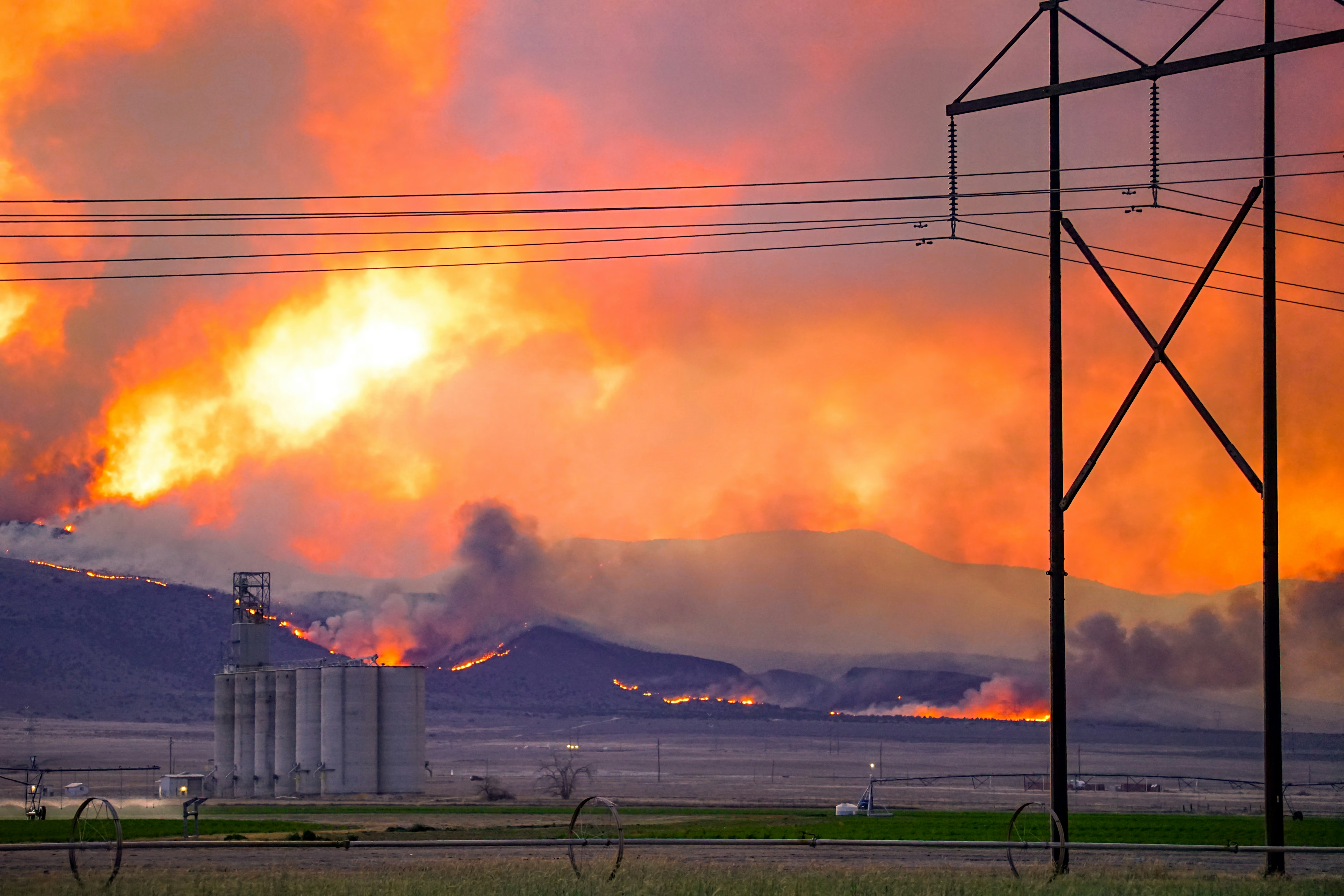
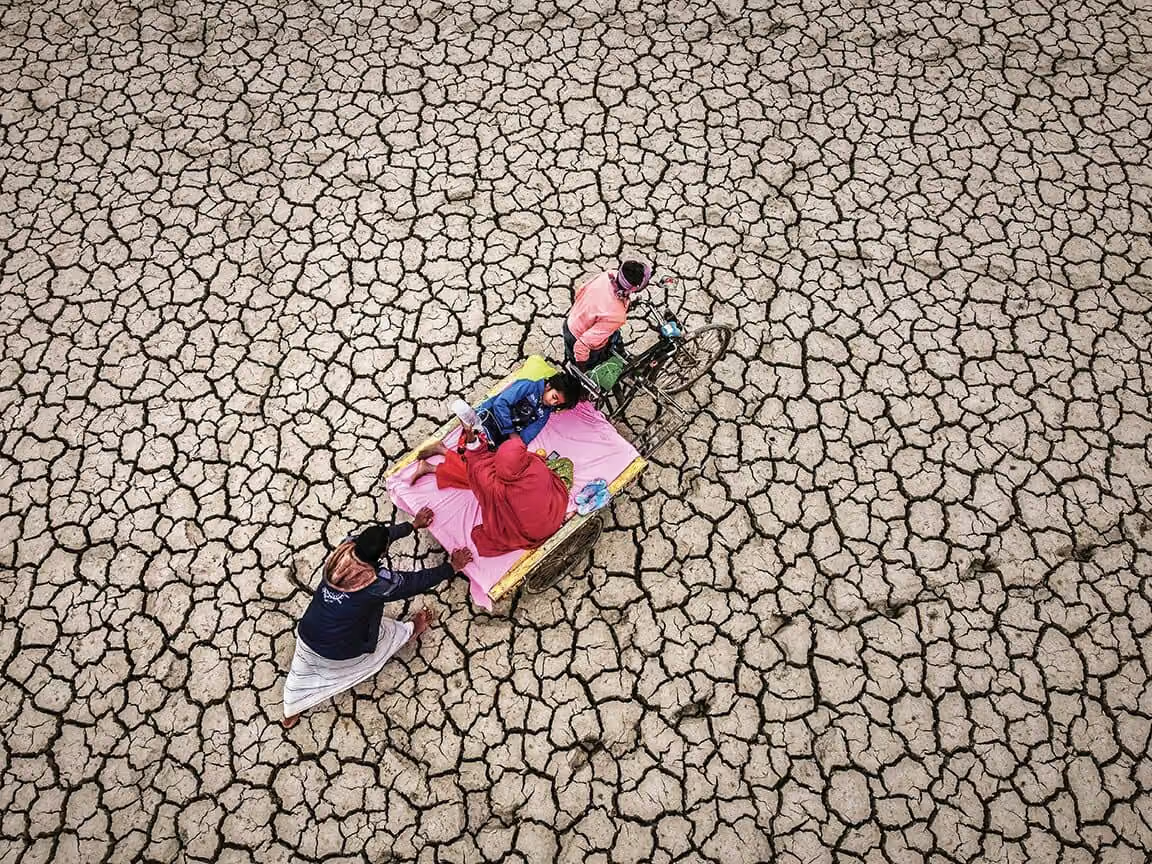
July and August 2026 saw record land and sea surface temperatures that lead to heat, drought, fire and floods globally. We all felt the effects of these high temperatures through sleepless nights, disrupted routines and concerns for our health and the people we care about.
This is not a one off
It is expected that 2027 may see higher temperatures due to El Niño. As global temperatures rise, exposure to dangerous heat will become more frequent and intense, increasing the risks for pregnant women and babies.
Time to act
Health systems and governments must prepare now, rather than waiting for extreme heat to become an even greater public health emergency.
.webp)

%20(1)%20(2)%20(1).avif)
.png)
.avif)
Extreme heat deepens existing health inequalities
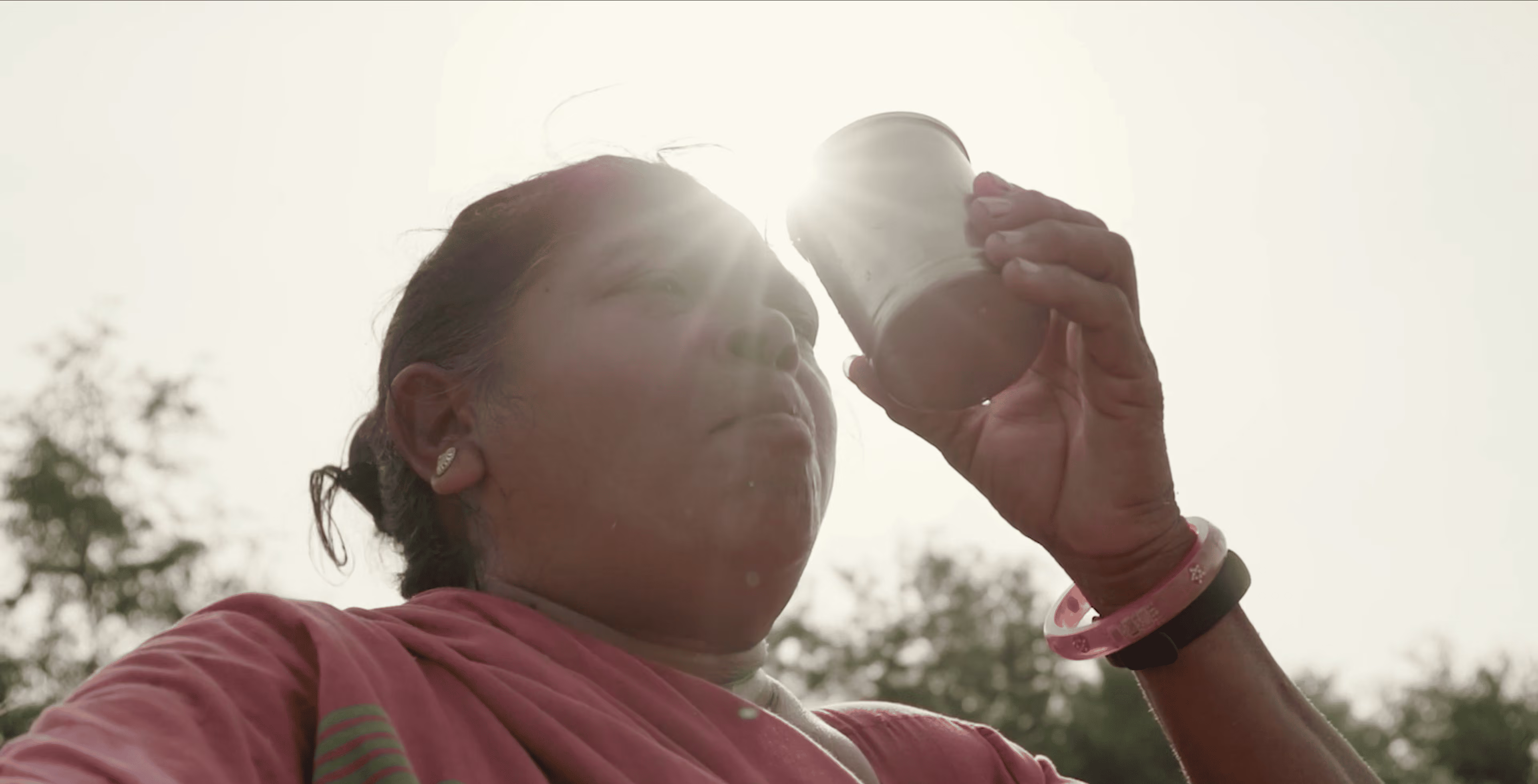
All pregnant women can be vulnerable to extreme heat, but the risks are greatest for those with the fewest options to avoid exposure, reduce their workload or keep themselves cool.
Where women live
In hotter regions and densely populated cities, where the urban heat-island effect can intensify temperatures, millions of pregnant women have little opportunity to escape dangerous heat exposure.
How women work
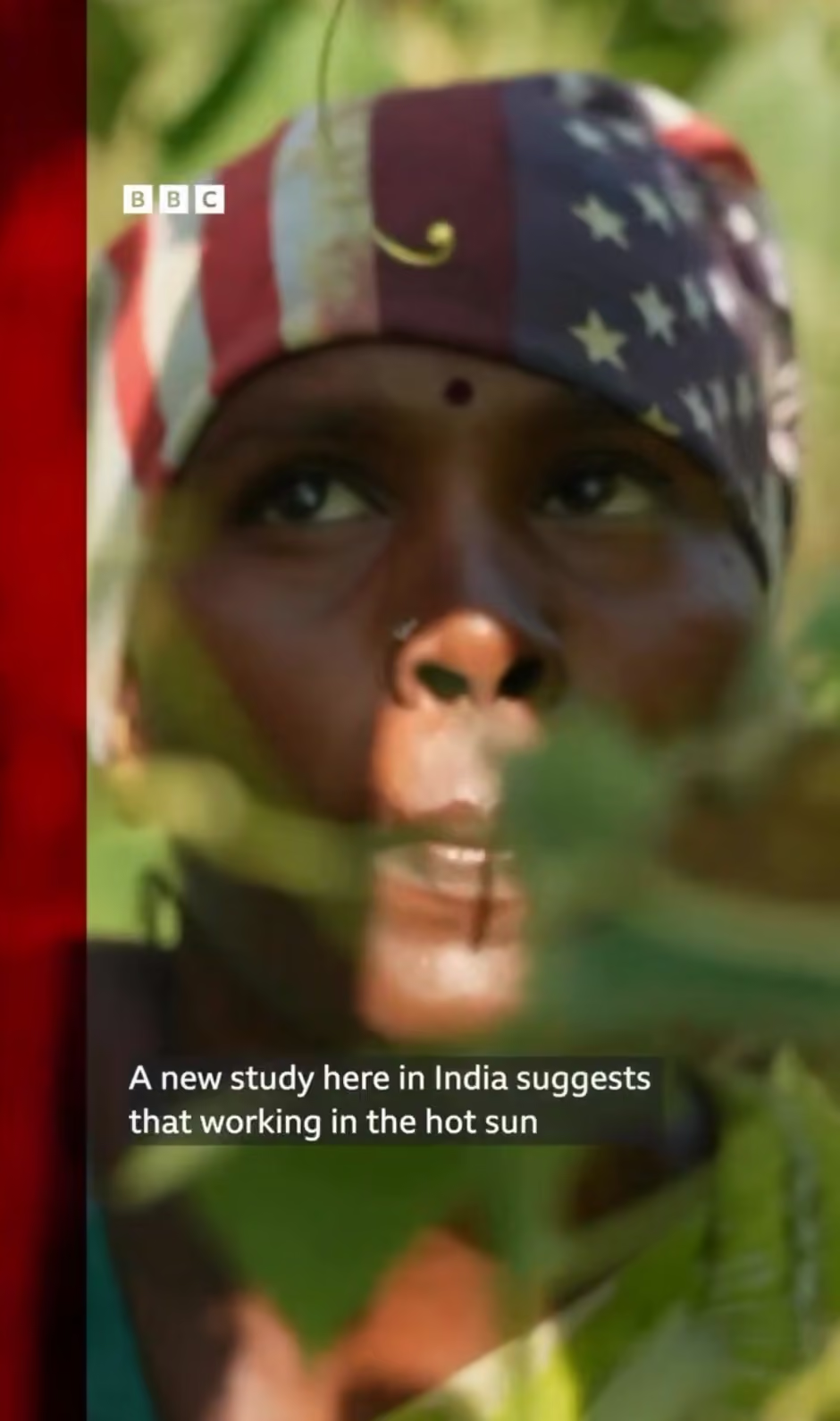
Outdoor workers and those in manual or informal employment may be unable to reduce their exposure during pregnancy. In Tamil Nadu, India, one study found that the risk of miscarriage rose from 2% among women working in cooler conditions to 5% among those working in extreme heat.
The resources available to them
Women in low-resource settings may lack access to cooling, clean water and reliable heat-health information. Work, childcare and responsibilities, such as collecting water can also prevent them from resting during the hottest periods of the day.
Extreme heat does not create these inequalities, but it compounds them. Effective heat-health responses must therefore prioritise the women who face the greatest exposure and have the least protection.
Health professionals are already seeing the impact
In September 2026, Wellcome commissioned Censuswide to survey 1,000 healthcare professionals, including 250 midwives, across the UK, India, Australia, Brazil and Zimbabwe.
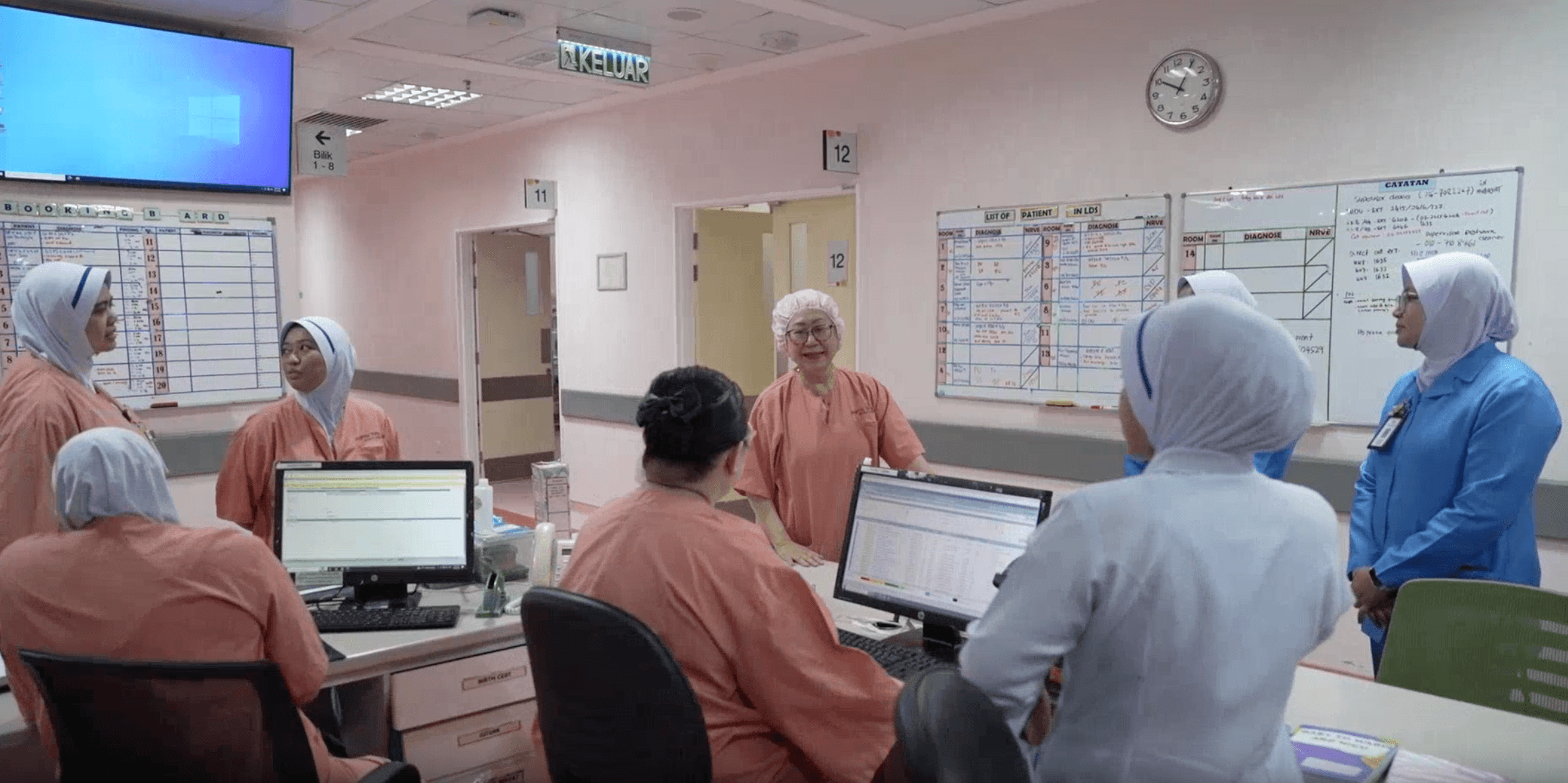
Their message is clear: health concerns linked to extreme heat are rising, but the guidance, training and facilities needed to protect pregnant women and babies have not kept pace.
Poll
Results

Lived experience
Teacher, London
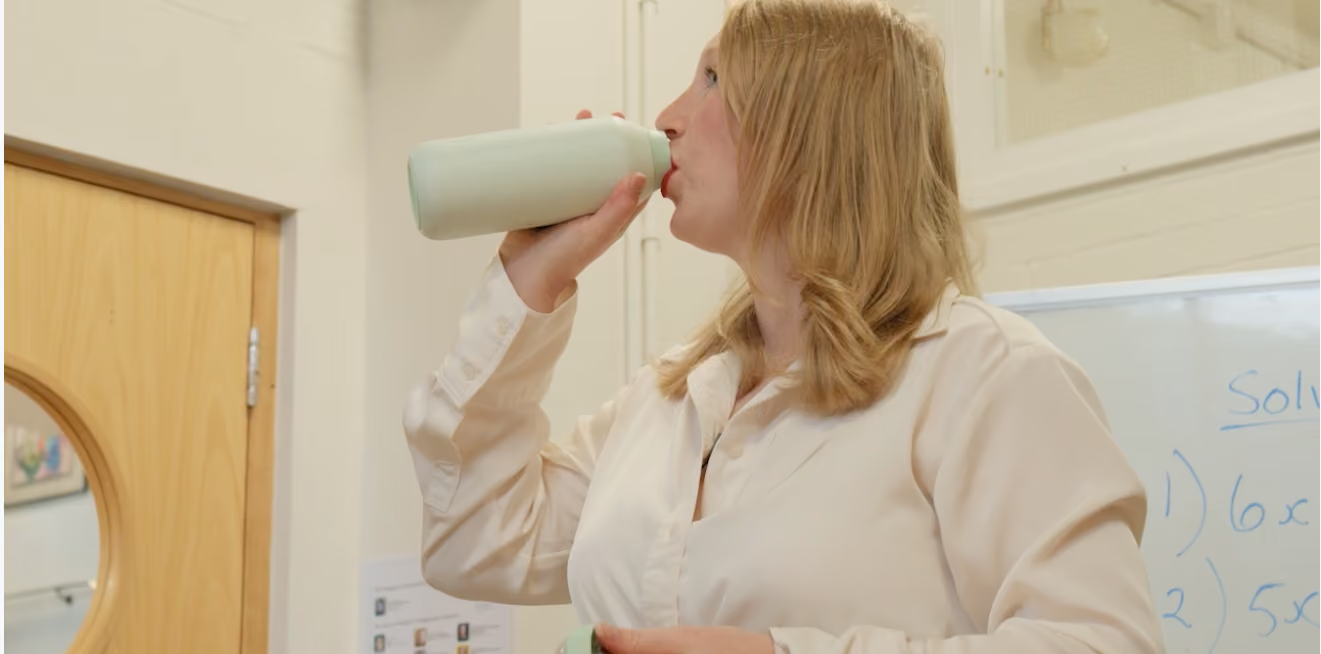
"We are starting to get a lot of heatwaves and the country is not ready for that. During the summer heat waves I was between 12-17 weeks pregnant, it’s quite tough for a pregnant teacher anyway let alone during the heatwave."
.avif)


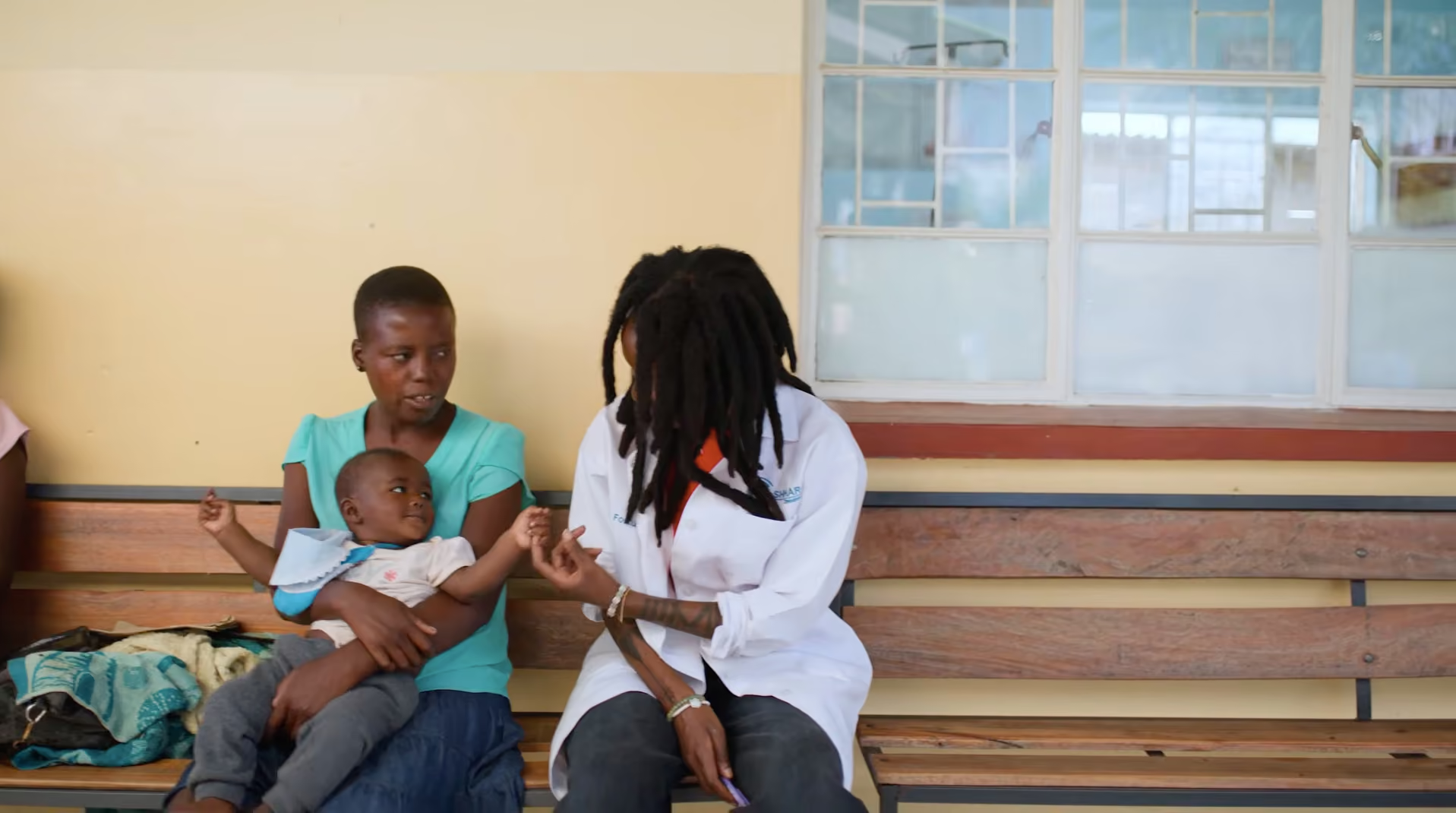
director of climate, environment and health at Zimbabwe’s Centre for Sexual Health and AIDS Research, Zimbabwe
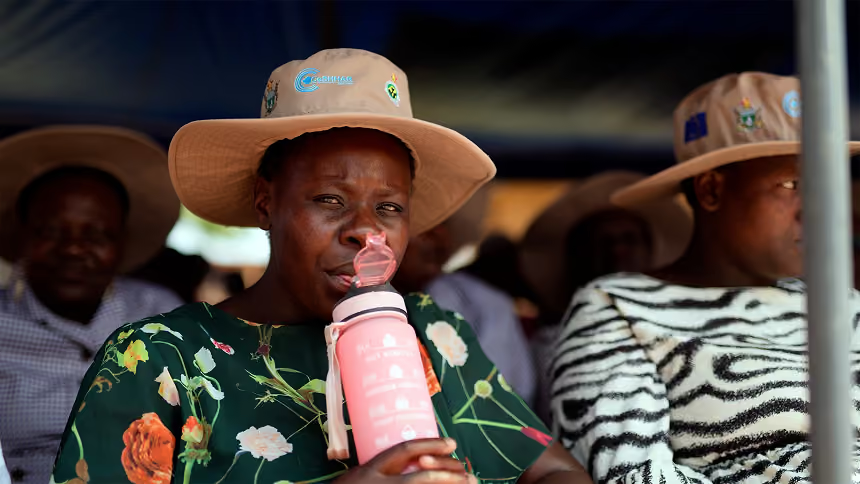
"The challenge is still just basic understanding of the impacts of heat on pregnancy. We see lower birth weight, we see prolonged labour in the antepartum phase, but we also see preterm birth – children coming much earlier than their time. And it’s because of this labour in the heat.”


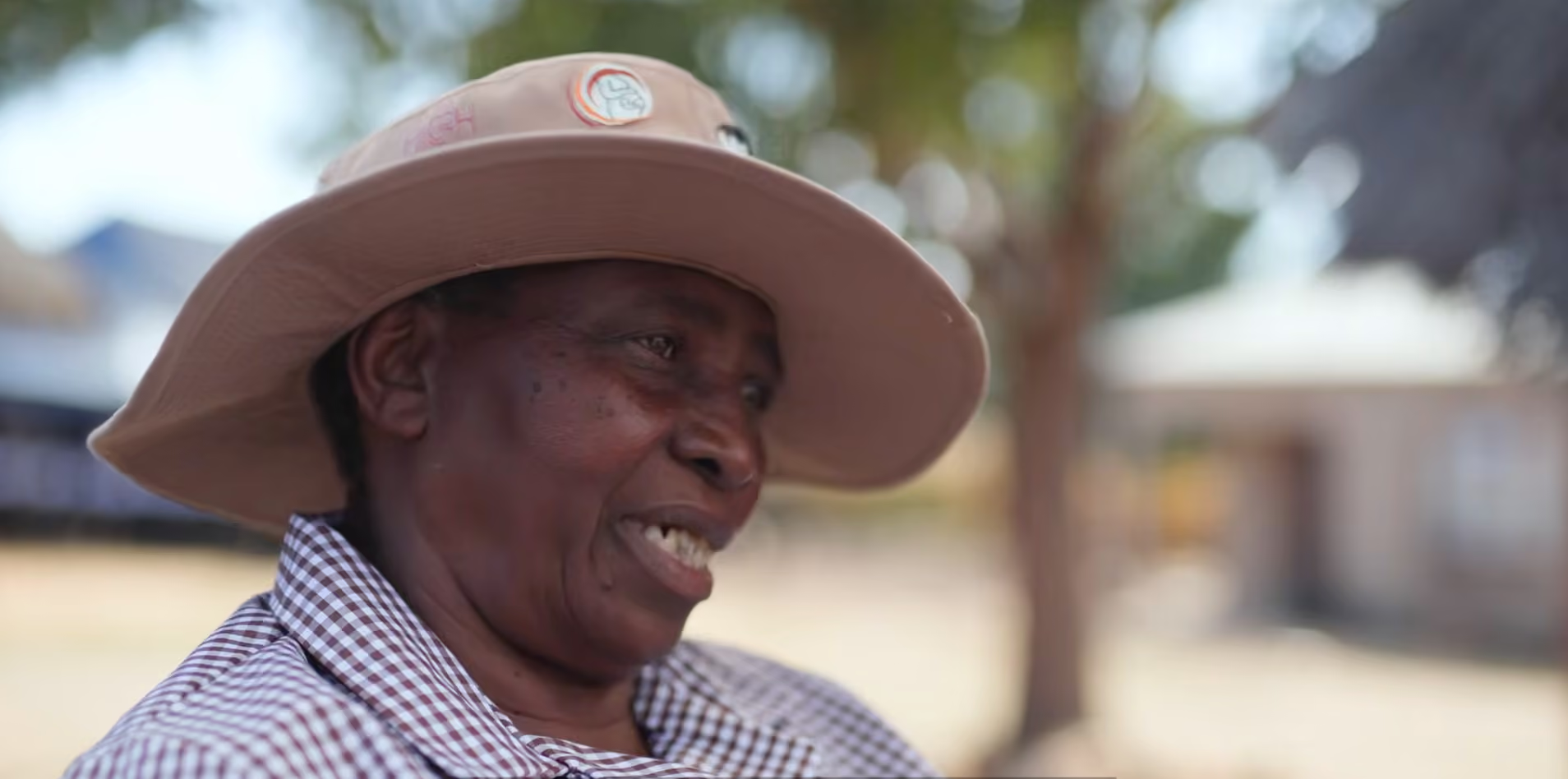
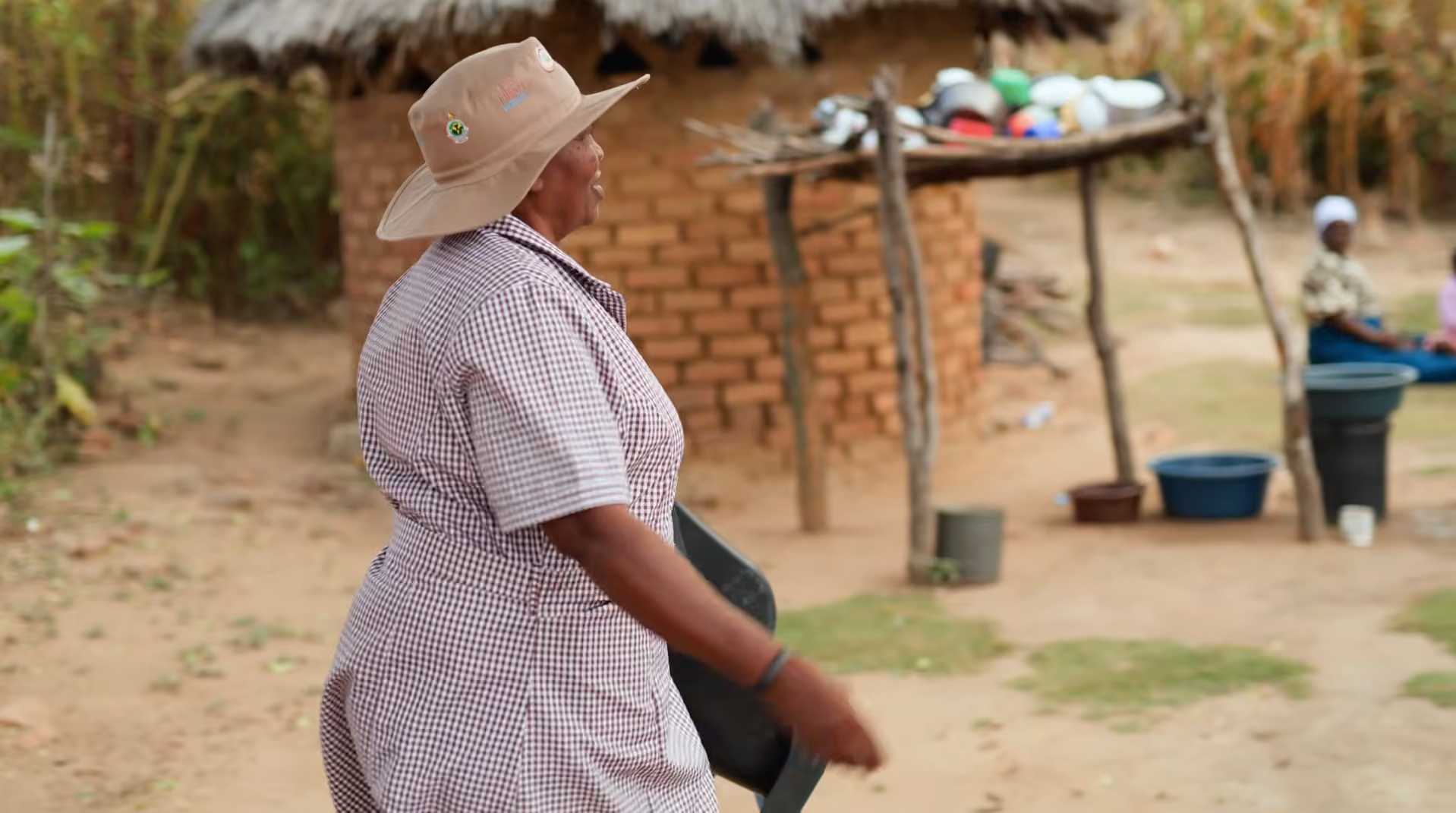
HAPI heat champion, Zimbabwe
"Heat affects the health of pregnant women. They may deliver a stillbirth or a lightweight baby – some of the things that I have heard happened to pregnant women because of heat. They swell, the legs swell, they get dizzy and they also give birth to preterm babies, and babies that are not very healthy."

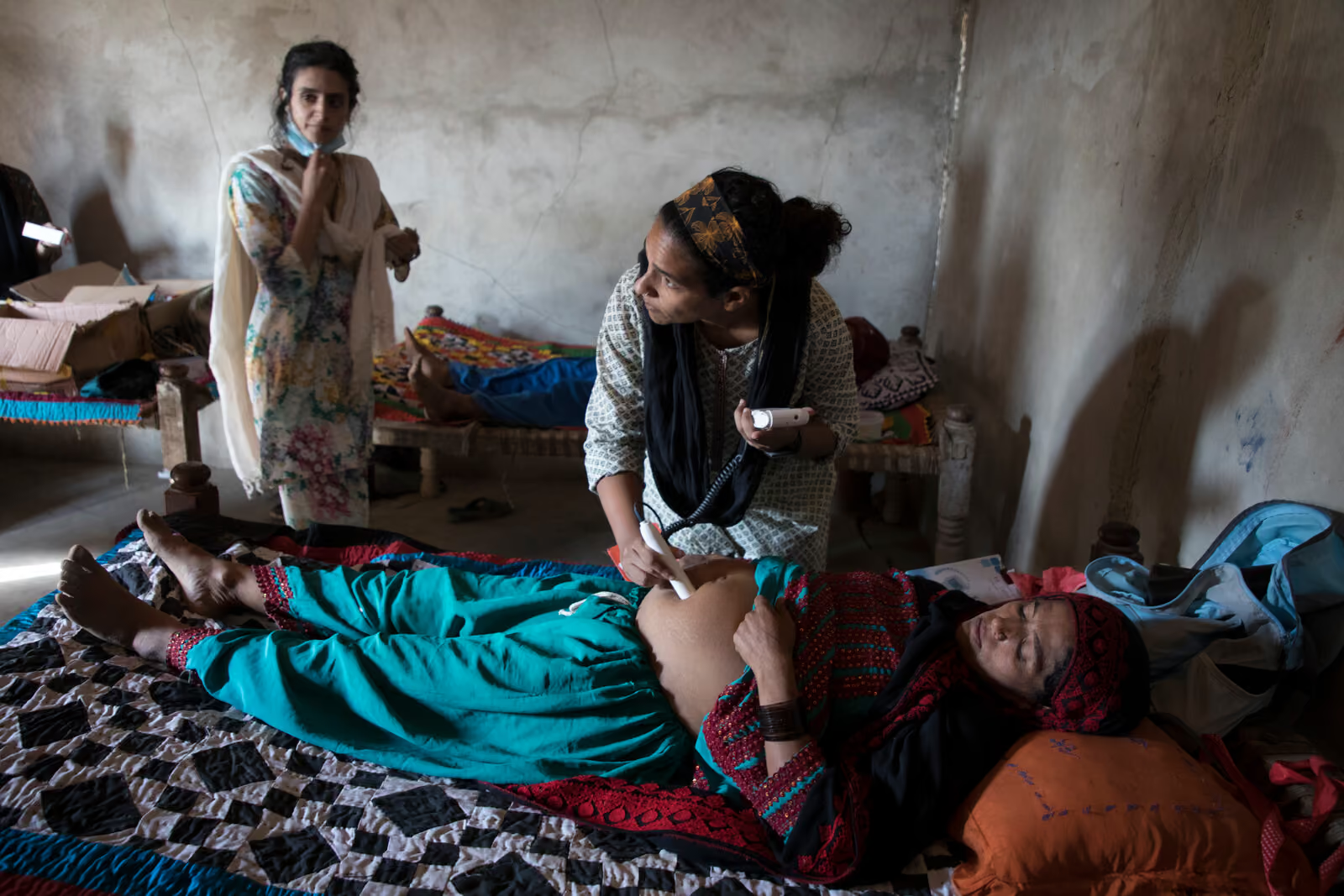
midwife and global health practitioner, Pakistan
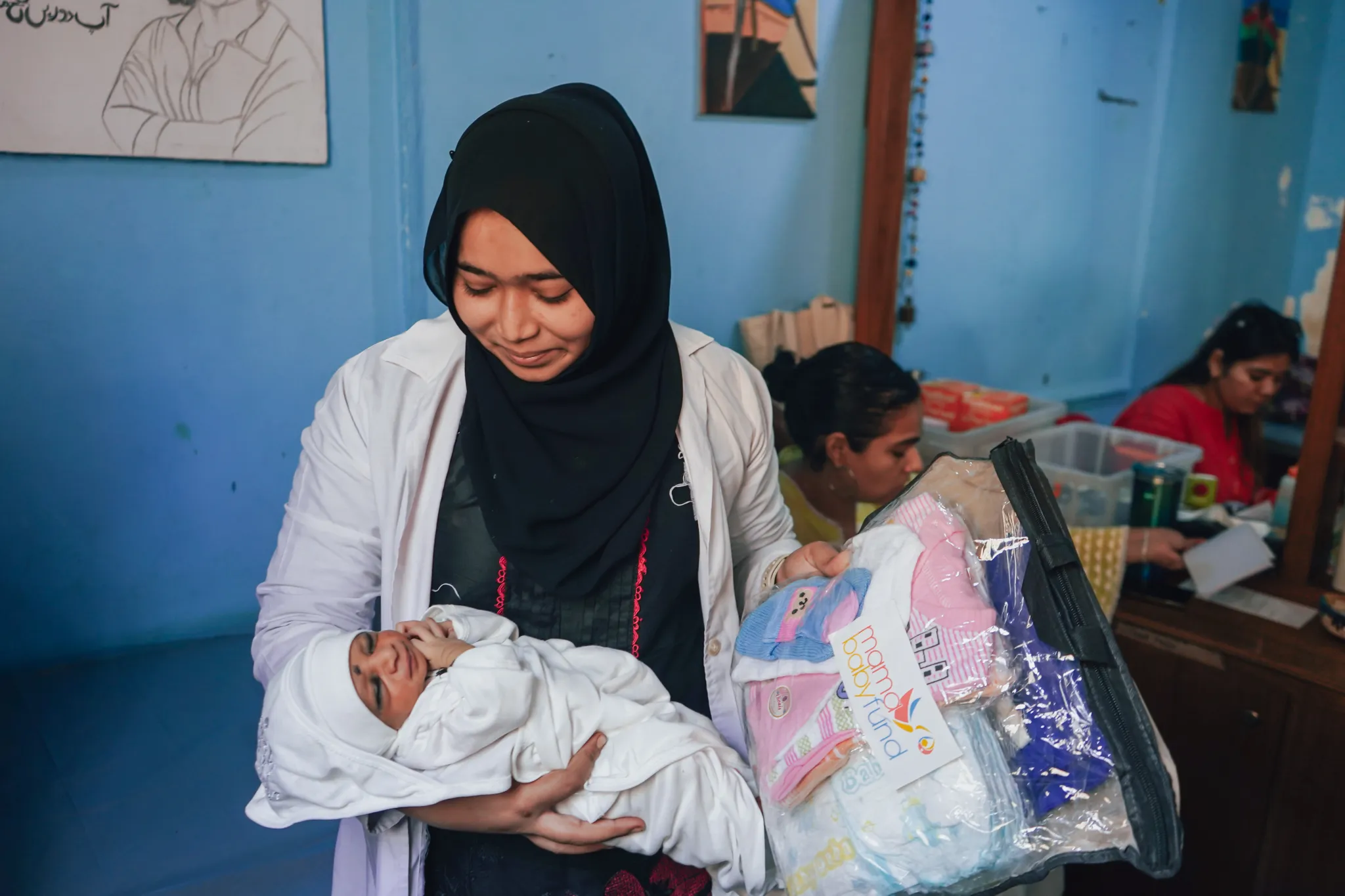
"The midwifery model of care is one of the most climate-conscious, cost-effective solutions available. Yet it is absent from most climate funding frameworks. Investing here is not only an equity issue but also an economic imperative."

Solutions exist. Now they must reach every woman.
Communities that have long lived with extreme heat are already developing and testing practical ways to protect pregnant women and babies. These include heat alerts, health-worker training, income protection, cooling measures and adaptations to health facilities.
The challenge now is to learn from what works, strengthen the evidence and make effective solutions available wherever women are at risk.
The following research should refine action, not delay it.
UK
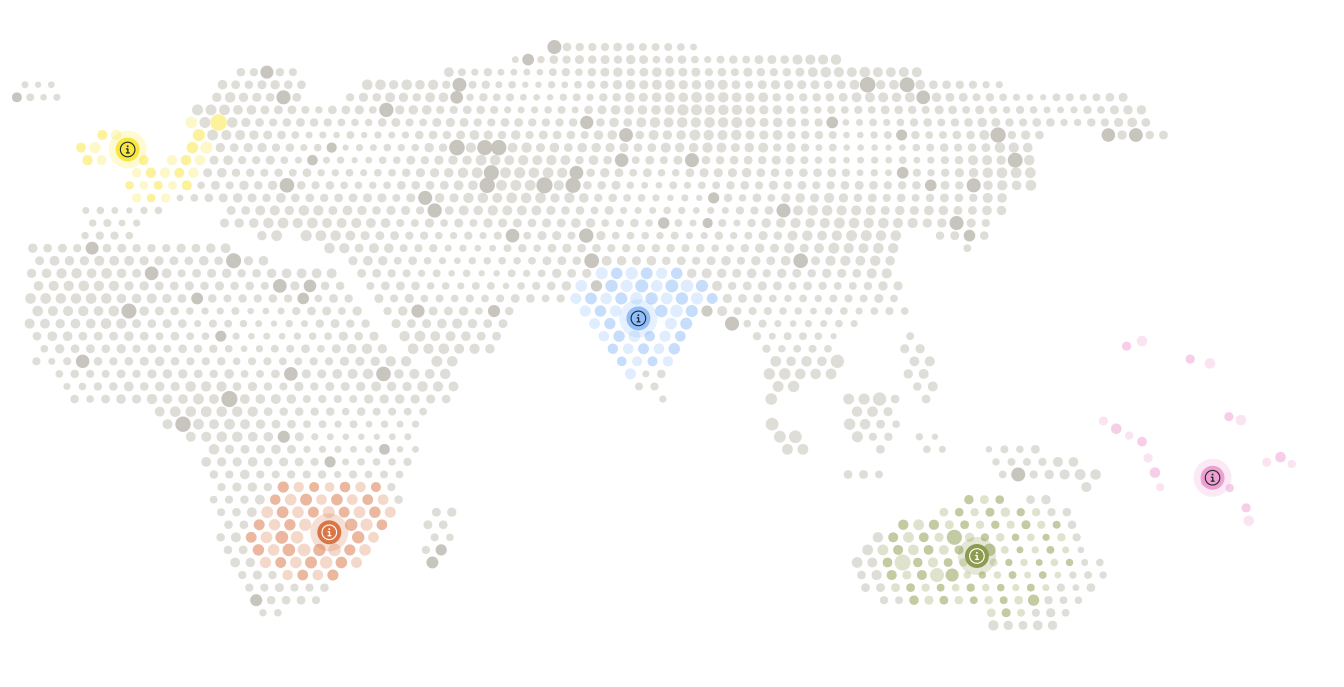
MAGENTA is a research project which aims to advance understanding of how exposure to elevated or prolonged heat during pregnancy impacts pregnancy outcomes in Wales and London.
Zimbabwe
Lorem ipsum dolor sit amet, consec adipiscing elit, sed do eiusmod tempor incididunt ut labore et dolore.
India
In India, the combination of extreme heat plus a large outdoor and informal workforce puts the health of many pregnant women at risk as temperatures rise.
Australia
Australia has a diverse climate and population which provides a unique opportunity to understand the impact of extreme heat exposure during pregnancy.
Pacific Islands
Women in the Pacific Islands of Vanuatu, Tonga and Bougainville have been involved in developing women-led Multi-Hazard Early Warning Systems (MHEWs).
.jpg)
Pregnant women must be visible in climate action
Pregnant women and babies remain inconsistently recognised as a vulnerable group in climate and heat-health policy. That must change.
We must:
%20(1)%20(1)%20(1).avif)
Protect pregnant and postpartum women and newborns in national plans. Governments should include specific, funded and accountable measures in their National Adaptation Plans, and current health systems, with a focus on reducing inequalities for the most marginalised women.
Create the first dedicated WHO clinical guideline on heat, pregnancy and the postpartum period. It should cover training for midwives and obstetricians, use of heat-index data in maternity care, how maternity services adapt, and evidence-based exposure limits for pregnant workers, including those in informal and precarious jobs.
Build the data systems that make accountability possible. Governments should integrate heat-exposure data into existing systems such as Maternal Death Surveillance and Response, linked to meteorological data and early-warning networks.
Pregnant women can no longer remain invisible in the response to extreme heat. At COP31 and beyond, leaders must recognise the risks, invest in proven and emerging solutions, and embed maternal and newborn health within climate action.
Commitment and further action

Lorem ipsum dolor sit amet, consectetur.
Lorem ipsum dolor sit amet, consectetur adipiscing elit. Suspendisse varius enim in eros elementum tristique.